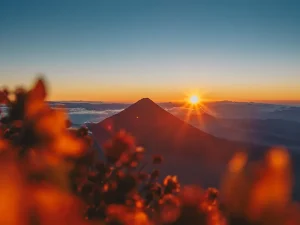
Hiking the Acatenango Volcano is undeniably a bucket-list experience. Watching its fiery neighbor, Volcán de Fuego, erupt against a starlit sky is a memory that stays with you forever. As the popularity of this trek has soared over the years, local communities and operators have worked tirelessly to innovate, offering everything from basic tents to cozy, wooden “A-frame” cabins and private glamping setups to shield hikers from the mountain’s notorious sub-zero winds.
However, as a dedicated inbound tour operator in Guatemala, our commitment is to bridge the gap between unforgettable travel experiences and absolute respect for our country’s environmental and legal frameworks.
Recently, Guatemala’s National Council of Protected Areas (CONAP) issued critical reminders regarding the infrastructure on Acatenango. If you are planning your trek, understanding these updates is essential for a safe, responsible, and compliant journey.
The Rise of Summit Cabins vs. Environmental Realities
In recent years, several popular operators have built permanent or semi-permanent wooden cabins at the base camps. There is no denying their appeal: they offer a shield against the freezing alpine climate and provide a high level of comfort after a grueling 5-hour ascent.
These structures were born out of a genuine desire by local entrepreneurs and community members to improve the visitor experience and generate sustainable livelihoods. However, the rapid growth of these fixed structures has caught the attention of national environmental authorities.
According to official statements from CONAP, the complex encompassing the Acatenango and Fuego volcanoes is a strictly protected area, classified under a Definite Forbidden Zone (Zona de Veda Definitiva).
Under national environmental laws, permanent or fixed structures in these high-altitude zones face strict regulatory challenges:
- Soil Degradation & Erosion: The volcanic soil on Acatenango’s ridges is highly vulnerable. Fixed wooden platforms and permanent structures alter natural water drainage and accelerate soil erosion on steep slopes.
- Ecosystem Impact: Transporting building materials and maintaining permanent structures deep within a protected volcanic forest disrupts local flora and fauna, increasing the footprint of human waste and trash management challenges at 3,600 meters.
- Safety Concerns: Volcanic environments are dynamic. Official monitoring entities like INSIVUMEH emphasize that permanent cabins can provide a false sense of security. In the event of unpredictable seismic shifts or severe weather, lightweight mobile camping setups allow for flexible, rapid evacuation.
Navigating the Regulations: What is Currently Permitted?
CONAP and tourism authorities (INGUAT) are actively working to balance community-led tourism with ecological preservation. While permanent, fixed cabin infrastructure lacks formal environmental impact approvals from central authorities, traditional mobile camping remains the most widely supported and compliant way to experience the summit.
Setting up high-quality, professional tents that can be assembled and disassembled allows the mountain to “breathe” and ensures that human impact on any single patch of volcanic terrain is minimized.
How to Choose a Responsible Acatenango Tour Operator
Supporting the local economy is a massive part of responsible tourism. The families operating on the mountain are an integral part of Guatemala’s tourism fabric, and we deeply respect their hard work. As a traveler, you can support them sustainably by keeping these tips in mind:
- Prioritize Low-Impact Camping: Look for operators who specialize in high-quality, cold-weather mobile camping setups. A premium four-season tent, combined with a sub-zero sleeping bag and insulated mat, offers incredible warmth while maintaining a zero-footprint philosophy.
- Verify INGUAT Certification: Ensure your chosen agency works exclusively with local guides certified by the Guatemala Tourism Board (INGUAT).
- Practice Leave-No-Trace: Whatever you pack up the mountain, ensure your operator packs back down. True conservation is a collaborative effort between the traveler, the operator, and the local community.
Traveling with a Forward-Thinking Mindset
Guatemala’s natural wonders are beautiful precisely because they are wild. While the temptation of a cozy cabin on a freezing night is completely understandable, stripping back to the classic spirit of mountaineering connects us more deeply to the raw power of the landscape.
By choosing low-impact, traditional camping, you aren’t just taking a hike—you are actively protecting the delicate volcanic biosphere of Acatenango for the generations of adventurers to come.