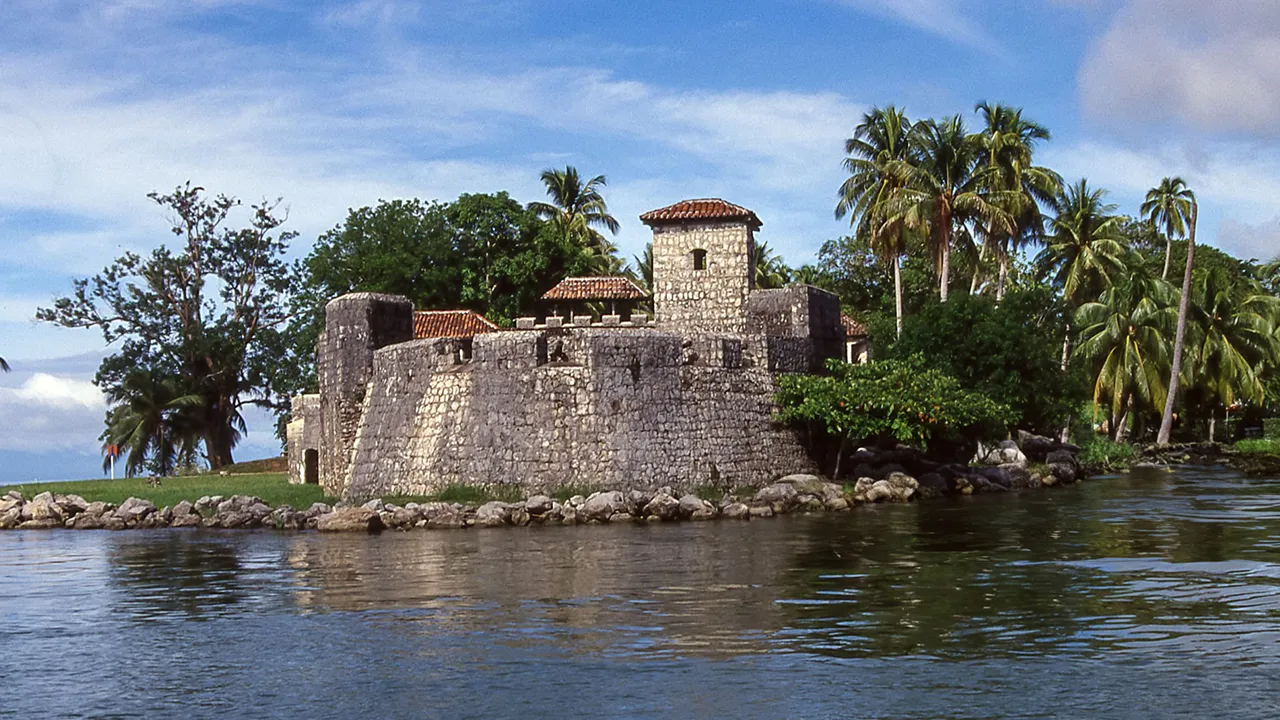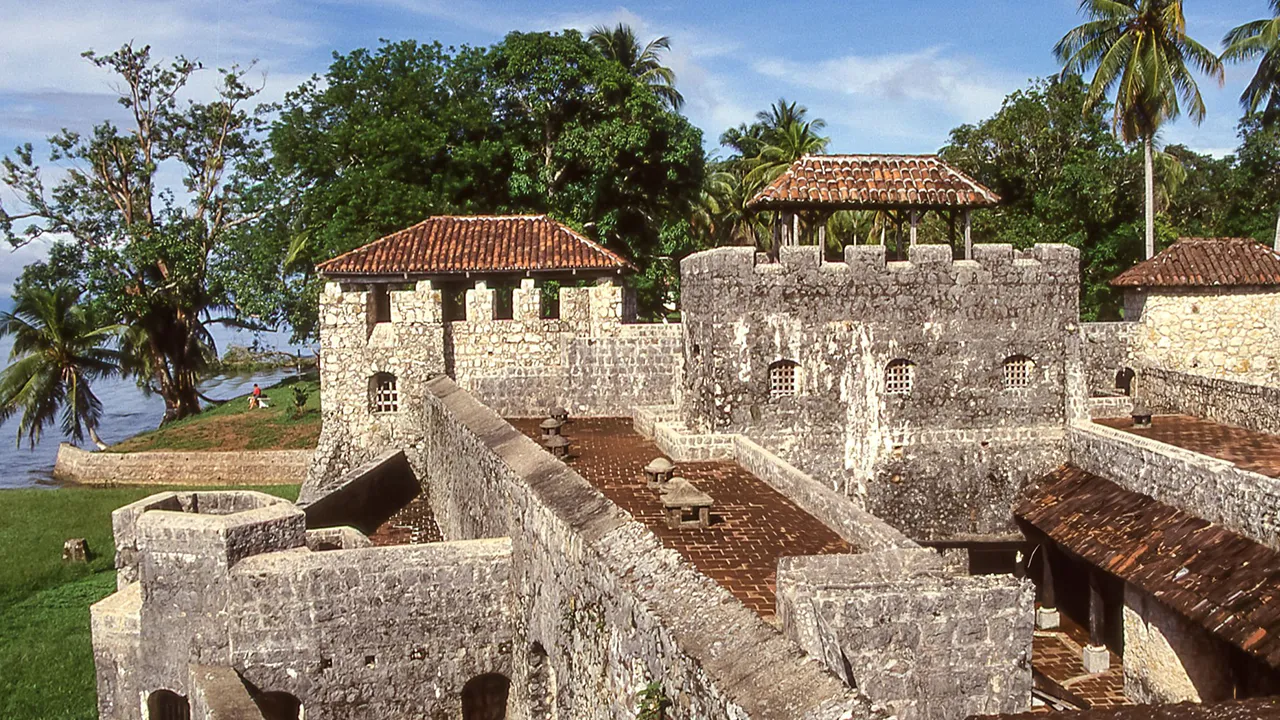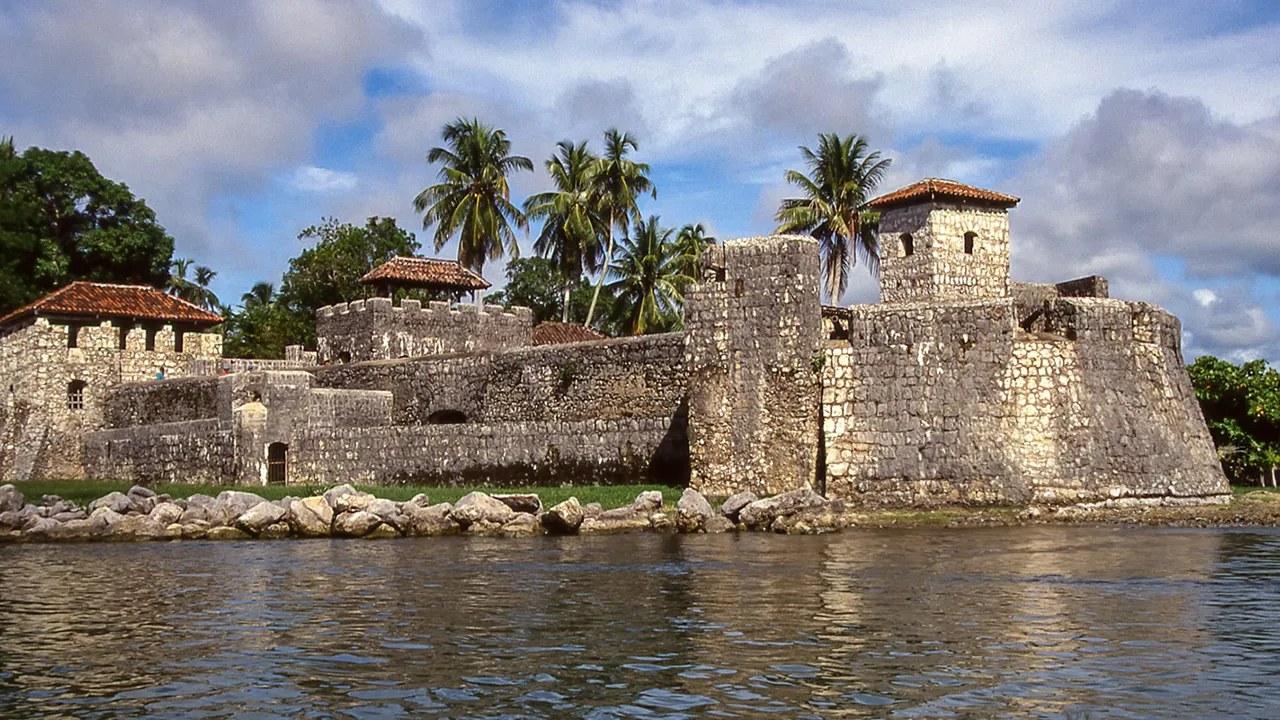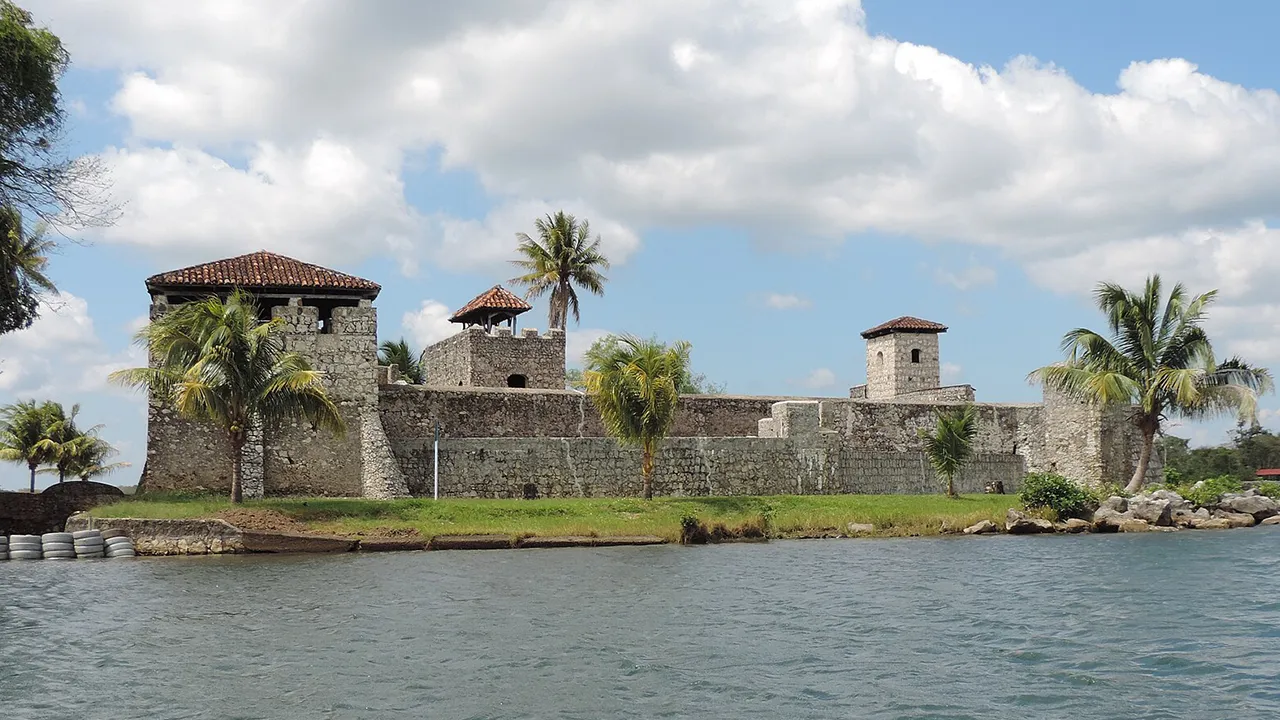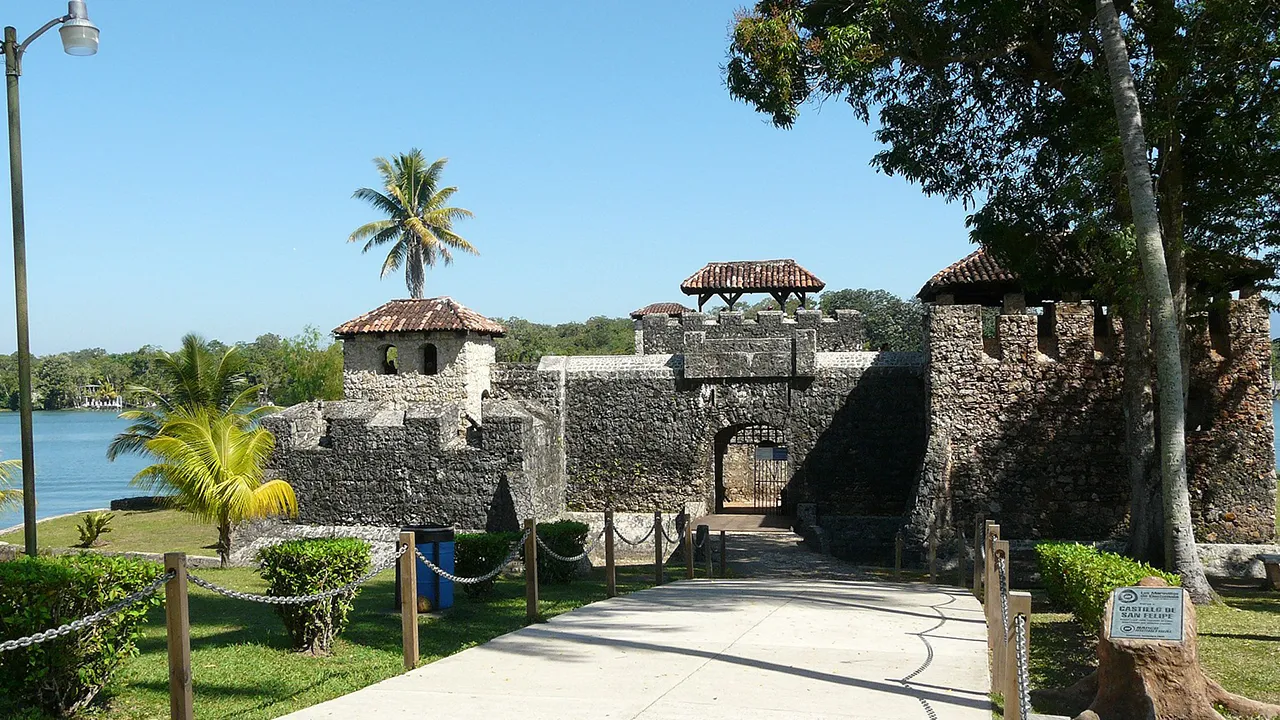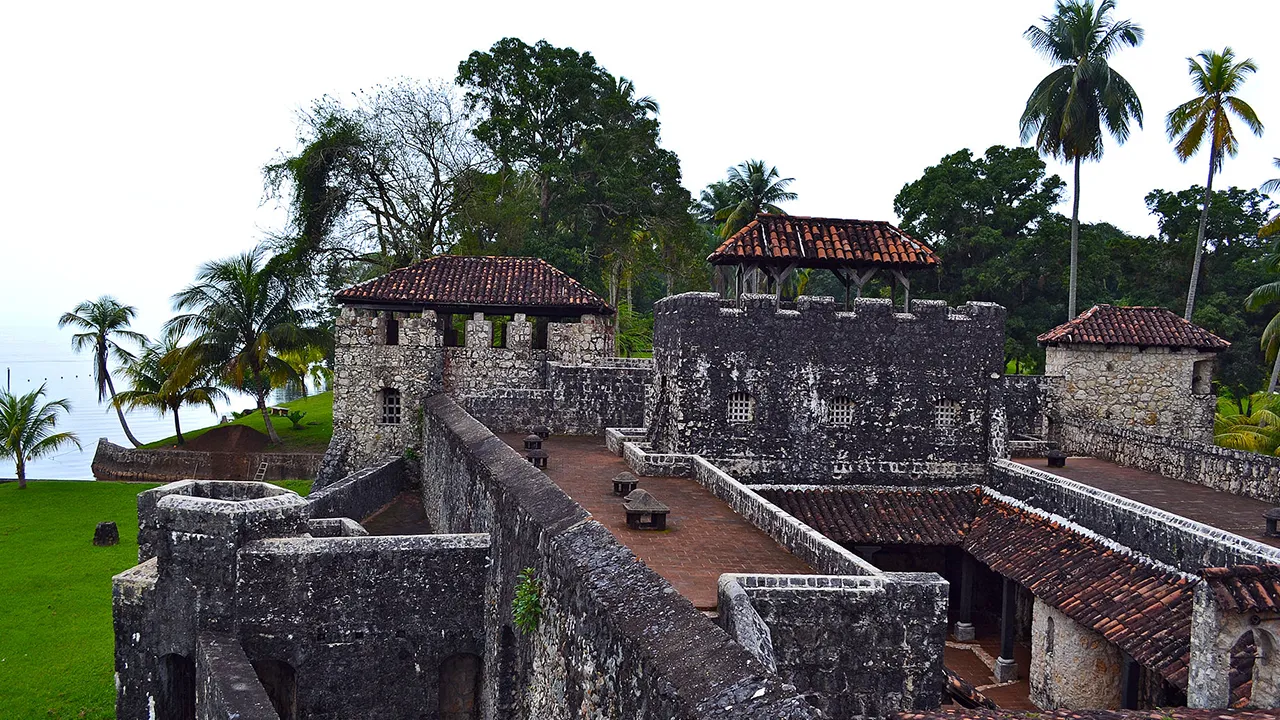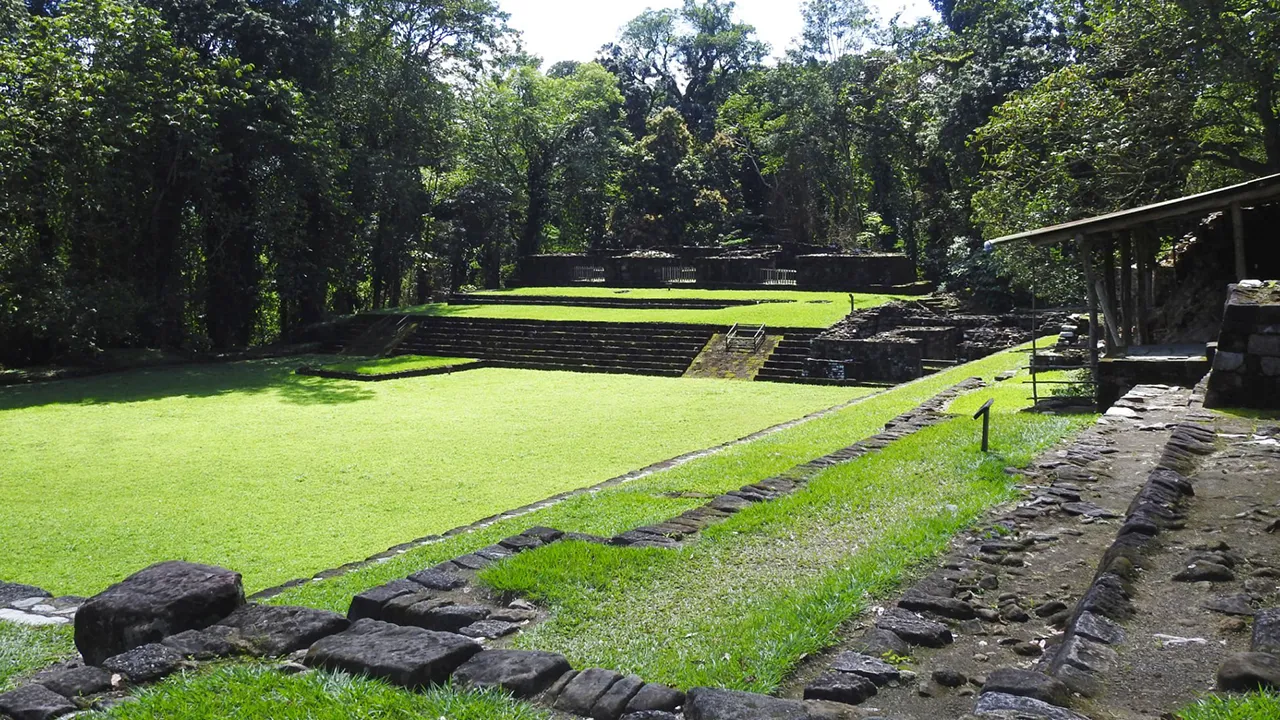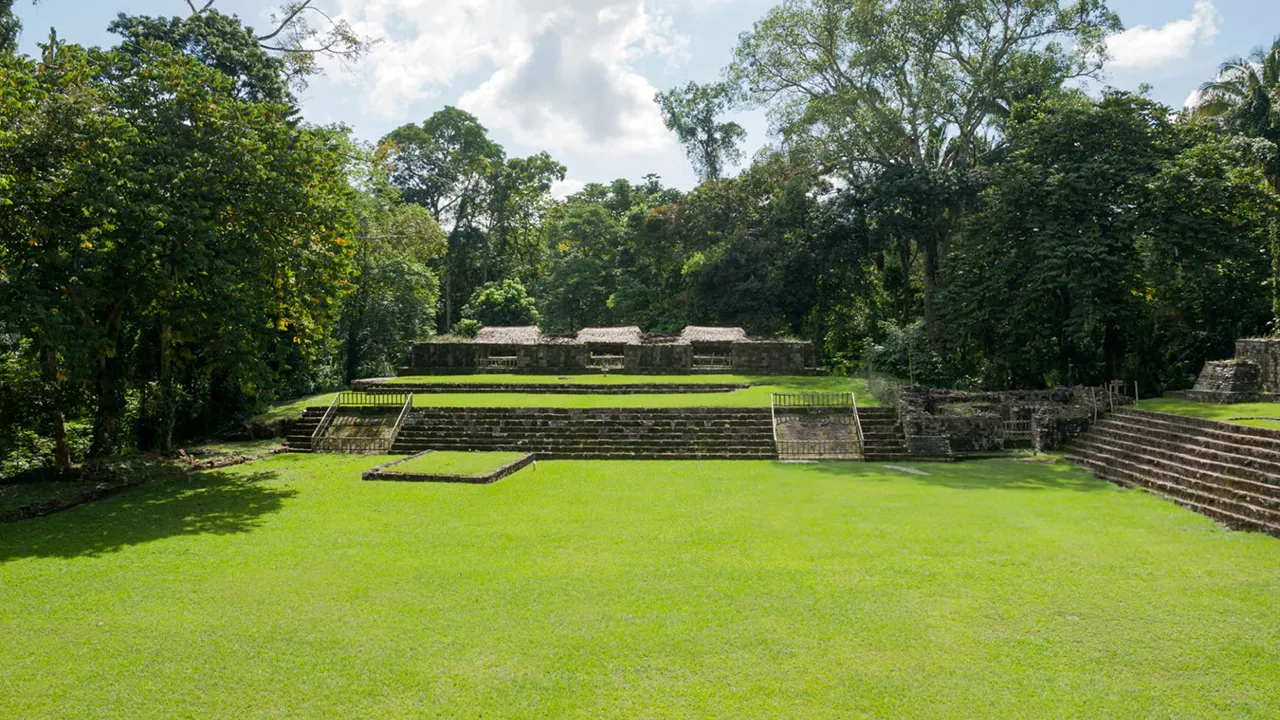
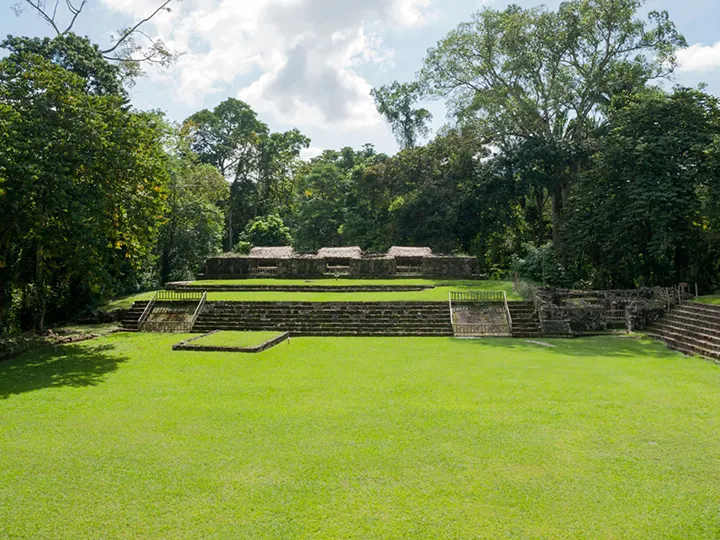
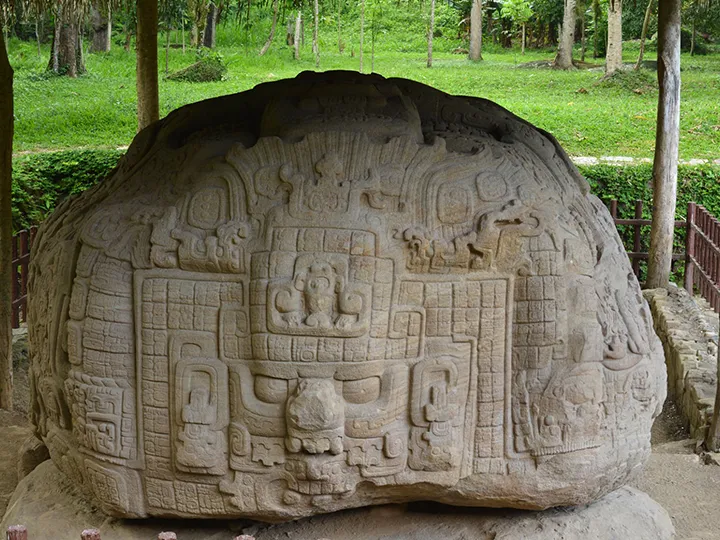
The representation of diversity in all its splendor is reflected in the Green Caribbean, with rich ecosystems that are the habitat of various species. Among its natural reserves are: Río Dulce, Bocas del Polochic, Punta de Manabique and the Chocón Machacas Biotope. It also has the Quiriguá archaeological site, declared a “Cultural Heritage of Humanity” by UNESCO and where the famous “Stela E” is located, 10.5 meters high, the tallest in the Mayan World. In addition, it offers visitors the experience of getting to know the “San Felipe Castle”, built in colonial times to prevent the incursions of English pirates into the then territory of the Kingdom of Guatemala. The imposing Lake Izabal, the largest in the country, the contrast of jungle, rivers and sea, the mixture of the Garifuna and Mayan cultures, make this paradise overflow with magic and fantasy.
With a surface area of 590 km2, this is the largest lake in Guatemala and one of the largest in Central America. It is formed by the torrents that flow down from the Sierra de Santa Cruz and rivers such as Polochic and Oscuro. The lake is rich in a variety of fish, a diversity of birds, lizards, turtles and manatees.
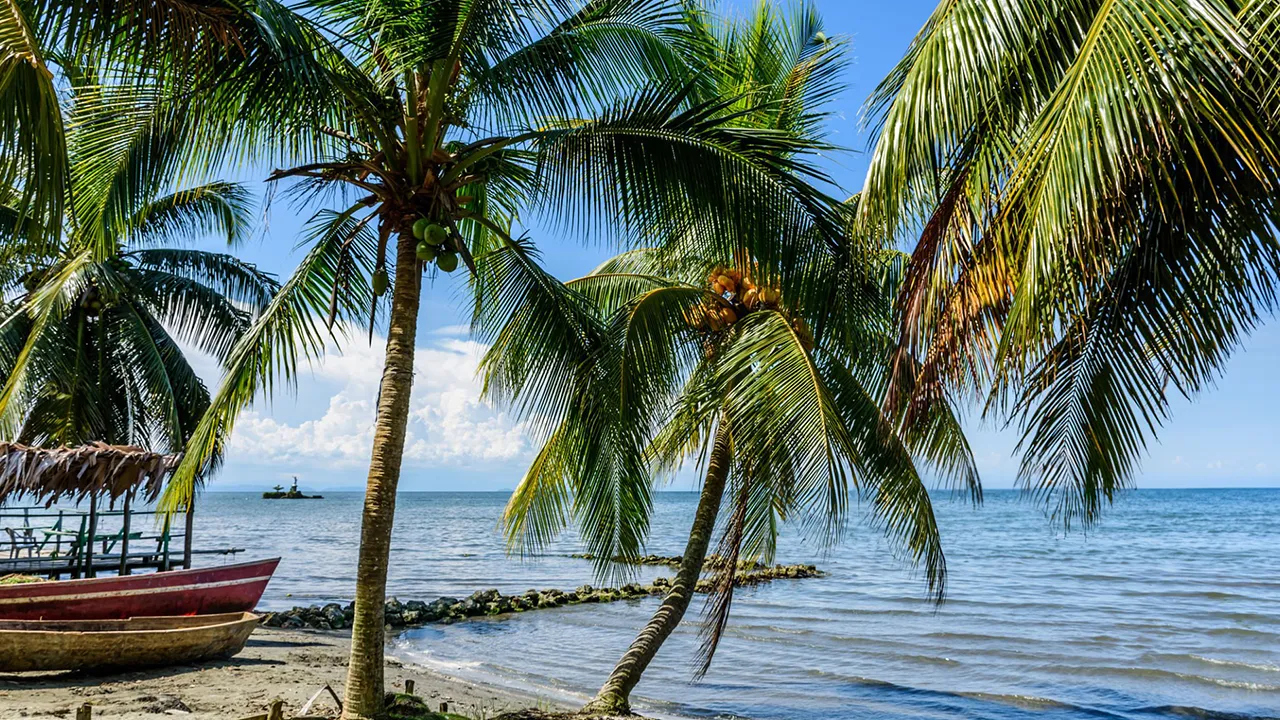
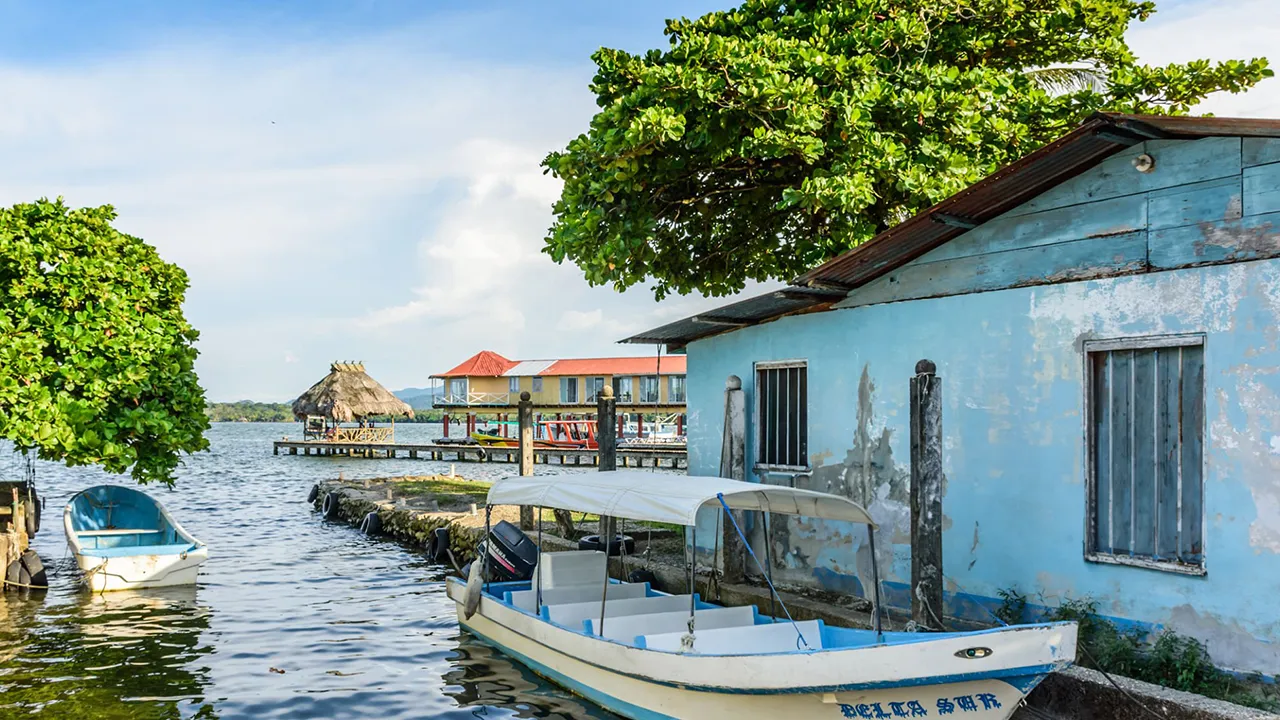
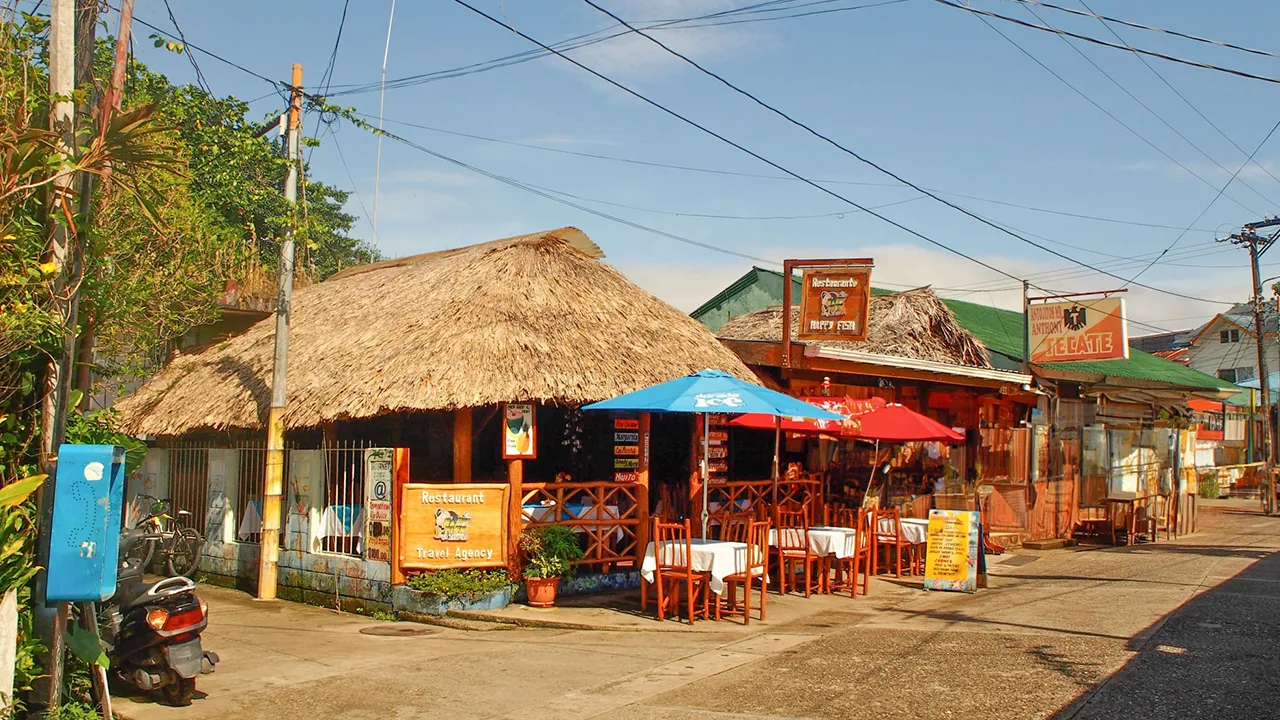
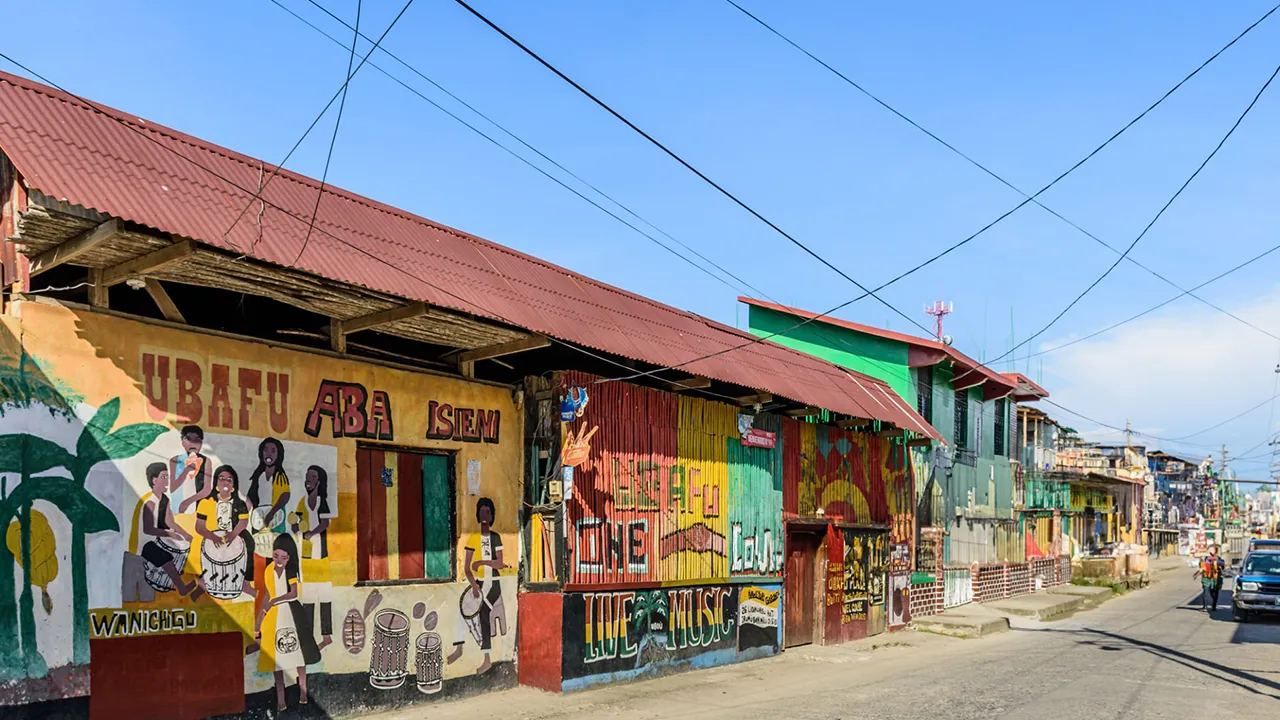
The most beautiful beaches in Guatemala are located in the northern municipality of Livingston and its inhabitants are mainly Garifuna, a mixture of Arawak people who came from the Amazon in South America and the descendants of some Africans who managed to escape from the Antilles during the 18th century. Situated on a hill overlooking the Caribbean Sea and the mouth of the Río Dulce, this coastal town is a paradise and accessible only by boat, a pleasant combination of palm trees and brightly painted wooden houses.
Quirigua is located in the southeastern periphery of the Maya Lowlands. It is mainly characterized by its majestic stelae, the largest and best preserved in the Maya World. Originally, the city was under the dominion of the dynasty of the city of Copán (now Honduras), but in 738 A.D., the dynasty of Quirigua managed to gain independence and even subjugate the dynasty of Copán, and it was then that the city reached its splendor. Most of the monumental constructions and the Acropolis, as well as the stelae, were erected during the following 60 years of the reign of the new Quirigua dynasty. In this historical context, Stela E was carved, with a height of 10 meters and a weight of 55 tons, it constitutes the largest sculpture of all those located in the Great Plaza, which is why it has been declared a UNESCO World Heritage Site since 1981.
From turquoise waters to lush jungles, explore Izabal’s caribbean charm and adventurous spirit.
Copyright © 2025 Guatemala Journeys, All rights reserved. Powered by Estudio Reactivo.