Guatemala is quickly becoming one of Central America’s most sought-after destinations for travelers looking beyond mass tourism. In 2026, the country will continue to stand out for its living Mayan culture, spectacular landscapes, and slower, more meaningful travel experiences.
Let me tell you why Guatemala in 2026 is worth visiting, what travelers can expect, and how to plan a rewarding journey.
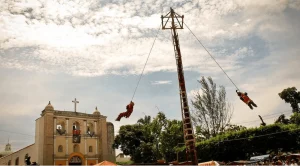
Guatemala’s most powerful experience is its living Mayan Culture. Ancient traditions are still part of daily life. Unlike many destinations where history is confined to museums, Mayan culture in Guatemala remains alive and visible. Indigenous languages, traditional clothing, spiritual ceremonies, and community markets can be seeing all thoughout the country.
This living heritage can be seeing in places like Antigua Guatemala, the villages around Lake Atitlan, Chichicastenango, rural highland communities, to name a few. These encounters offer meaningful cultural exchange rather than staged tourism.
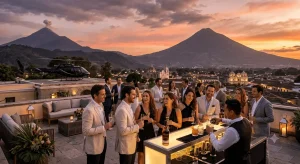
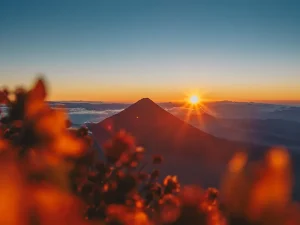
Another great feature is its natural landscapes, it is a country of constant change. From volcanoes to jungles and Carribbean rivers. One of the main reasons to travel to Guatemala is its exceptional geographic diversity. Within a single itinerary, travelers can climb active and dormant volcanoes, see beautiful lakes, visit tropical jungles with hidden Mayan structures (like in Tikal), limestone natural pools (Semuc Champey), sail through lush waterways in rio Dulce, experience a Garifuna town, and so much more.
In 2026, Guatemala remains ideal for travelers who value nature-based exploration and visually dramatic routes.
Guatemala naturally encourages a slower, more intentional pace of travel. Distances may be short, but experiences are rich and layered — from boat rides across volcanic lakes to quiet evenings in colonial plazas.
As more travelers in 2026 prioritize quality over quantity, Guatemala offers space to connect deeply with people, landscapes, and history rather than rushing from highlight to highlight.
Guatemala is home to several UNESCO World Heritage Sites, including Antigua Guatemala, Tikal National Park and Quiriguá Archaeological Site. Despite their global importance, these locations often feel less crowded than comparable sites in other regions, offering travelers a rare balance between accessibility and serenity.
While Guatemala’s popularity continues to grow, the country has intentionally limited tourism infrastructure, especially in rural regions. High-quality boutique hotels, experienced guides, and private transportation are finite resources.
The best way to visit Guatemala is an early planning so you can get better itinerary pacing, greater accommodation choice, more consistent travel logistics.
Guatemala is well-suited for travelers who value culture over crowds, history over trends, nature over resort tourism, atuhentic encounters over packaged experiences and those seeking immersion rather than surface-level sightseeing.
If you are planning a Ttip to Guatemala for 2026, you will benefit from advance planning, particularly for longer, multi-region itineraries.
Many choose to work with destination specialists such as Guatemala Journeys to manage logistics while keeping the focus on cultural, historical, and natural experiences rather than rushed schedules.
Guatemala in 2026 offers something increasingly rare: a destination where ancient culture meets dramatic nature, and where travel still feels personal, unhurried, and meaningful.
For travelers willing to plan thoughtfully, Guatemala remains one of the most authentic destinations in Central America.